Does Bleaching Damage Hair? The Science & Safety Explained
Discover the science behind hair bleaching, how to minimize damage, and the ultimate guide to safe lightening.
If your hair feels dry, fragile, or difficult to detangle after lightening, explore damaged hair treatment Hong Kong before planning another colour service or adjusting your home-care routine.

Direct Answer: Does bleaching damage hair? Yes, bleaching inherently alters the hair's structure by opening the cuticle and oxidizing natural melanin. However, when performed by a professional using controlled lift levels and bond-building technology like Olaplex, the damage can be significantly minimized and kept within safe limits.
The Science Behind Bleaching: What Happens to Your Hair?
To understand whether bleaching damages hair, we must look at the science. Hair is protected by an outer layer called the cuticle, which resembles overlapping roof shingles. During the bleaching process, an alkaline agent (usually ammonia) causes the hair to swell and the cuticle to open. This allows the oxidative agent (hydrogen peroxide) to penetrate the hair shaft and dissolve the natural melanin.
This process of opening the cuticle and breaking down pigment inevitably causes some structural changes. The hair loses moisture and some of its natural elasticity. This is why bleached hair often feels drier and more porous than virgin hair. However, this doesn't mean your hair is ruined. With proper haircare, the integrity of the hair can be preserved.

How Much Damage? Impact by Lift Level
Not all bleaching is created equal. The level of damage is directly proportional to how many levels of lift (lightening) you are trying to achieve in a single session. A subtle sun-kissed look requires far less aggressive chemical processing than a platinum blonde transformation.
| Lift Level | Process Description | Damage Level | Ideal For |
|---|---|---|---|
| 1-2 Levels | Gentle lift, minimal cuticle opening | Low | Subtle highlights, warm brunettes |
| 3-4 Levels | Moderate lift, requires more processing time | Medium | Caramel balayage, copper tones |
| 5+ Levels | Aggressive lift, significant structural change | High | Platinum blonde, pastel colors |
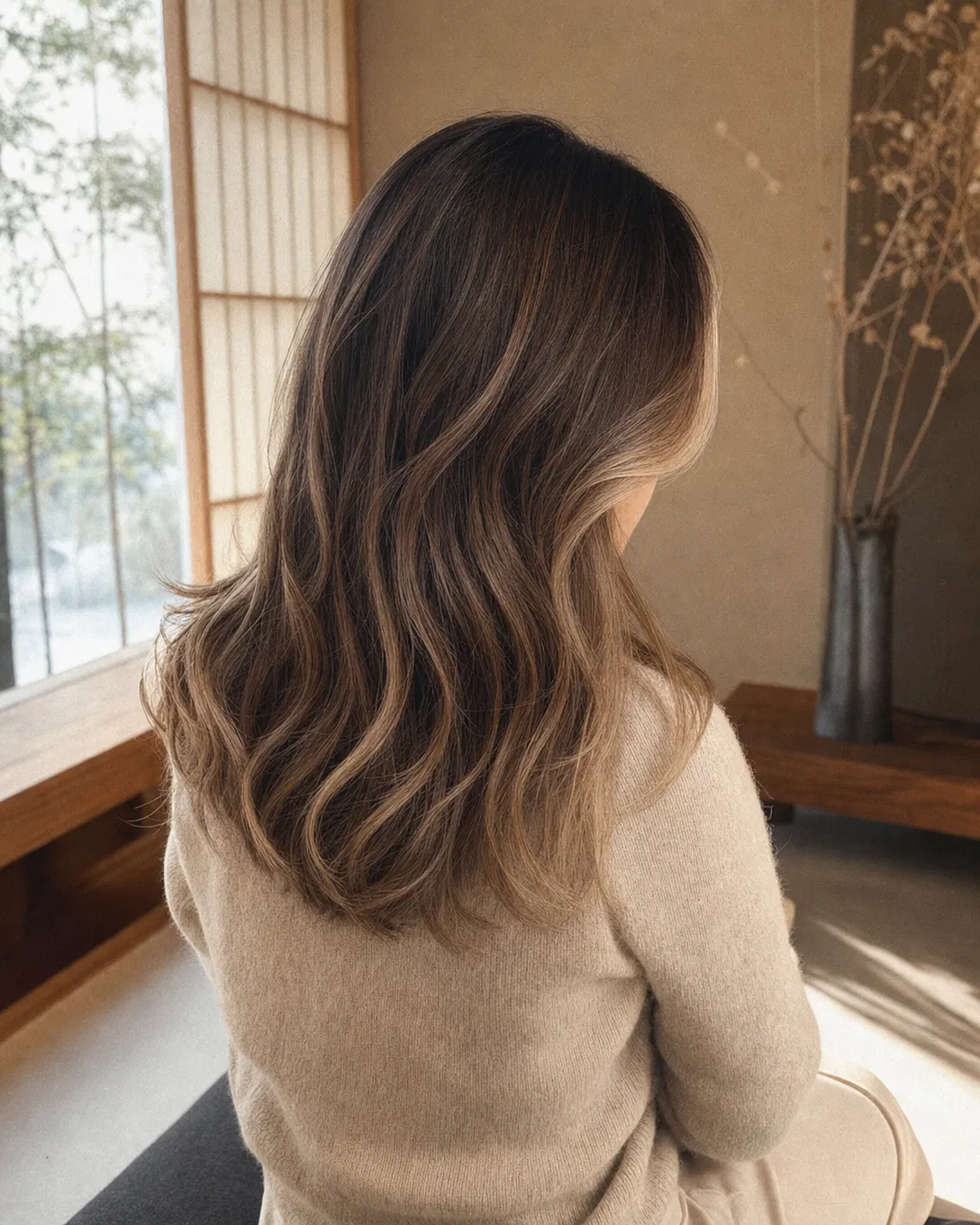
Balayage often requires less lift, minimizing damage.

High lift requires careful professional monitoring.
Bleaching Safety Rules: How to Minimize Damage?
Achieving your dream hair color shouldn't come at the cost of your hair's health. To ensure bleaching safety, professional salons follow strict protocols. First, a thorough consultation and strand test are essential to assess the hair's current condition and history. If the hair is already compromised, a responsible stylist will advise against immediate bleaching.
Techniques like balayage or ombre are excellent choices for those concerned about damage. These methods don't require bleaching the entire head of hair from root to tip, leaving a significant portion of your natural hair untouched and healthy.
When comparing hand-painted dimension with partial highlights, check balayage price Hong Kong first, then consider the time available and the level of contrast you would like.

Can Olaplex Save Damaged Hair? The Ultimate Defense
The game-changer in modern hair coloring is bond-building technology. Olaplex protection is not just a conditioner; it works on a molecular level. Hair contains disulfide bonds that give it strength and structure. Bleaching breaks these bonds. Olaplex works by seeking out these broken bonds and linking them back together during and after the chemical process.
By adding Olaplex directly into the bleach mixture, we can mitigate the damage as it happens. This allows stylists to push the envelope and achieve lighter results while maintaining the structural integrity of the hair. It's the closest thing to an insurance policy for your hair during a bleaching service.

How to Repair Hair After Bleaching? Key Care Steps
The journey doesn't end when you leave the salon. Proper post-color care is absolutely crucial for bleached hair. Because the cuticle has been compromised, bleached hair is more prone to moisture loss, breakage, and color fading.
- Hydration is paramount: Use sulfate-free, deeply hydrating shampoos and conditioners.
- Weekly masks: Incorporate a protein-rich or moisture-intensive hair mask into your routine.
- Heat protection: Bleached hair is highly susceptible to heat damage. Always use a thermal protectant before styling.
- Gentle detangling: Wet bleached hair is fragile. Use a wide-tooth comb and detangling spray.

When Should You NOT Bleach Your Hair?
While modern techniques have made bleaching safer, there are times when it's best to avoid it. If your hair is already severely damaged, breaking off, or feels 'gummy' when wet, bleaching will only exacerbate the problem. Additionally, if you have a highly sensitive scalp, the chemicals used in on-scalp bleaching can cause severe irritation or chemical burns. In such cases, off-scalp techniques like highlighting or balayage might be safer alternatives, or it might be best to focus on hair rehabilitation first.

Frequently Asked Questions
Does bleaching damage hair permanently?
Bleaching alters the hair structure permanently (until it grows out), but 'damage' is a spectrum. With proper care and bond-building treatments like Olaplex, the integrity and appearance of the hair can be maintained, preventing irreversible breakage.
How long does it take for hair to recover after bleaching?
Hair doesn't 'heal' like skin, but its condition can be vastly improved. With a strict post-color care routine, hair can feel significantly healthier, softer, and more manageable within 2 to 4 weeks.
Ready for a Safe Color Transformation?
Book a consultation with our expert colorists at Canvas Blend. We'll assess your hair health and design a personalized, safe bleaching strategy using premium Olaplex protection.
When travelling with a stroller, luggage, or a pet carrier, information on hair colour salon Sheung Wan offers a practical way to check walking routes and arrival details beforehand.
Book Consultation via WhatsAppContinue Reading · Knowledge Web